
01
Certificate Selection
Choose a certificate type that matches the domain structure, validation requirement and server environment without unnecessary complexity.
Protect data in transit and present a secure HTTPS connection with the right SSL/TLS certificate, correct installation and a renewal process your team understands.
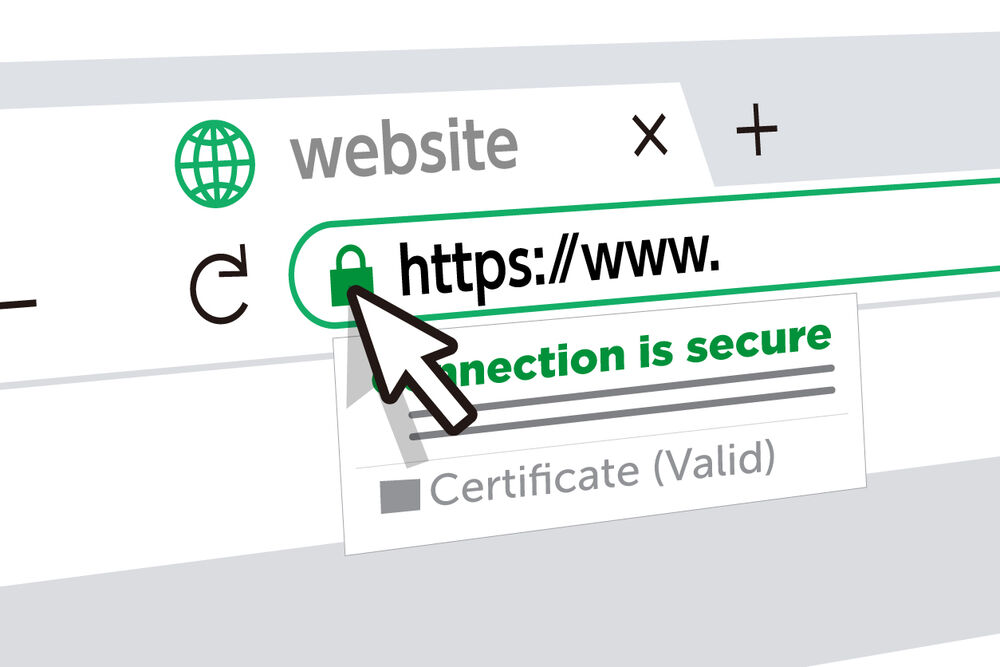
An SSL/TLS certificate helps encrypt information transmitted between a visitor and a website. It is now a standard requirement for business sites, ecommerce stores, login pages and web applications, and modern browsers clearly warn users when a connection is not secure. Royal Developer provides certificate setup and HTTPS configuration support for websites hosted on compatible servers.
The certificate itself is only one part of the job. The website should consistently load over HTTPS, internal resources should not create mixed-content warnings, redirects should avoid unnecessary chains, and renewal should be planned before the certificate expires. These technical details affect both trust and availability.
We help clients choose an appropriate certificate based on the domain structure and hosting environment rather than selecting a product only because it has a larger marketing label. A single-domain site, a multi-domain environment and a wildcard requirement may need different certificate types and validation processes.
The exact mix depends on your current setup, priorities and available assets. These are the areas commonly considered during the engagement.
Choose a certificate type that matches the domain structure, validation requirement and server environment without unnecessary complexity.
Install the issued certificate and intermediate chain correctly on the supported hosting or server configuration.
Route HTTP traffic to the preferred HTTPS version consistently while avoiding redirect loops and conflicting URL versions.
Identify insecure scripts, images or other resources that can prevent a page from receiving a clean secure connection indicator.
Track expiry and renewal requirements so the website does not unexpectedly present an expired-certificate warning to visitors.
Check common pages and key integrations after HTTPS is enabled so forms, payment flows and external resources continue to work as expected.
SSL/TLS protects data while it travels between the browser and the server. That matters for login credentials, form submissions, payment-related information and general privacy. It also helps visitors confirm they are connecting to the domain shown in the browser rather than sending information over an unencrypted connection.
A certificate does not make an entire website automatically secure. Weak passwords, outdated plugins, vulnerable code, compromised administrator accounts, poor backups or insecure server settings are separate risks. Website security therefore needs broader maintenance practices in addition to HTTPS. We keep that distinction clear so clients do not treat the padlock as a complete security guarantee.
Certificate management can also change when hosting changes. A site moved to a new server may need the certificate reissued or reinstalled. CDN and reverse-proxy services can introduce additional SSL modes. Ecommerce and API integrations may have their own HTTPS requirements. These dependencies should be considered before a migration or infrastructure change.
For many modern hosting platforms, automated certificates are available at no additional certificate cost. In those cases, the valuable work may be configuration, troubleshooting and renewal verification rather than selling a certificate unnecessarily. We first check the environment and then recommend the simplest reliable option.
Confirm the domain, server access, hosting capability and whether an existing certificate or automated SSL service is already present.
Choose the certificate type and complete the required domain or organisation validation with the certificate authority.
Install the certificate, chain files and HTTPS redirects, then update site settings where the application requires secure URLs.
Review browser behaviour, mixed content, important forms and renewal dates so the secure configuration remains dependable.
Every engagement begins with the current situation, the intended audience and the outcome the business actually needs. That keeps recommendations proportionate and avoids adding tools, channels or features simply because they are available.
Scope, access, approvals and reporting are agreed early so both sides understand what is being delivered and what depends on client input or third-party platforms.
Royal Developer is based in Dehradun and has been serving businesses since 2008. Our work spans websites, ecommerce, custom applications, search visibility, hosting and digital support, which helps us understand how one service affects another rather than treating every task in isolation.
If you already have a website, campaign or system in place, we can begin by reviewing what is working and what is creating friction. If the project is new, the discussion starts with the audience, required outcomes and available content before the scope is finalised.
Useful digital work starts with a clear business requirement, then chooses the technology, content or channel that fits it.Royal Developer — Dehradun
Clear answers to common questions before you decide on scope or request a proposal.
It enables encrypted HTTPS communication between a visitor browser and the website server, helping protect information while it is transmitted.
HTTPS is strongly recommended for modern websites and is especially important for forms, logins, ecommerce and applications that transmit user information.
In many cases, yes, provided the certificate files are valid and the hosting or server gives the required access. We first check compatibility and current configuration.
No. SSL protects data in transit, but it does not replace secure code, updates, strong access controls, malware monitoring or backups.
Browsers can display a security warning and visitors may avoid the site. Renewal should be completed before expiry, or automated renewal should be monitored to ensure it is working.
Share your current setup, business goal and expected outcome. We can review the requirement and recommend a practical next step.